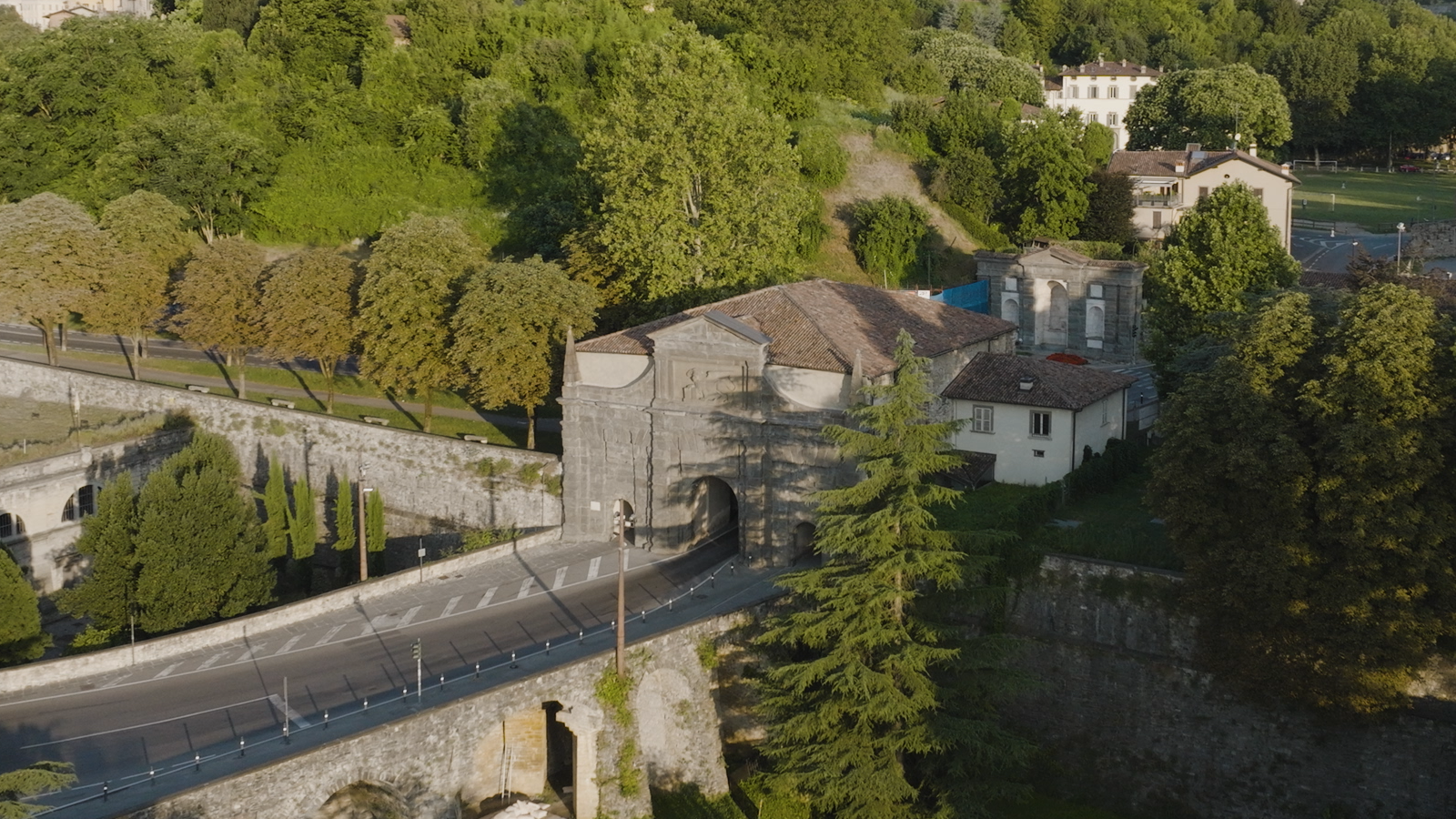
Mura di Bergamo: The Museum
The history of the Venetian Walls, World Heritage Site, starts from Porta Sant’Agostino
A new exhibition path dedicated to the history of the Fortress, a World Heritage Site since 2017. A new museum that comes to life inside Porta Sant’Agostino, the historic access to the city for those coming from Venice. Among multimedia stations, physical testimonies and an engaging immersive room, narration becomes an experience to get to the heart of the construction of the Walls, a stone diamond made of history and beauty, still a symbol of Bergamo today.
Informations
Full 7 €
Reduced 5€
Resident in Bergamo and province, 18-26 years old, groups of 15 people, discounts
Free
0-17 years old, Amici del Museo delle storie di Bergamo, person with disability and companion, ICOM members, accredited journalists, qualified tour guides, Abbonamento Musei Lombardia
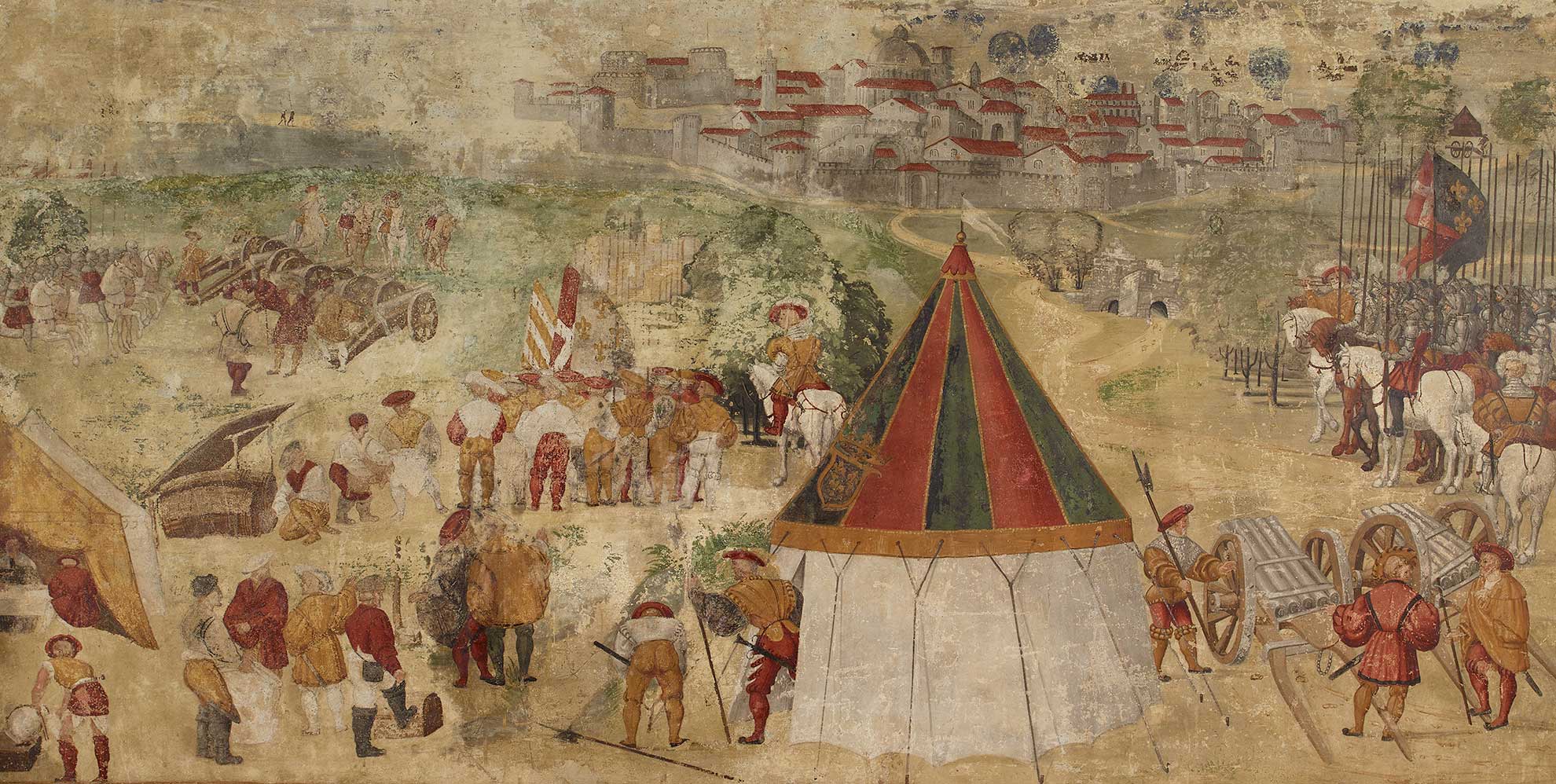
Military Encampment near a City
This fresco depicts an encampment in preparation for a potential siege. It fully captures the innovations and the contradictions of military evolution in the early sixteenth century: traditional armour and cold weapons coexist with new firearms, and the cavalry, infantry and artillery are lined up together. The town is surrounded by walls that can ward off a siege carried out with ladders and catapults, but which certainly can’t withstand the impact of powerful new cannons. To resist to them, in Italy the “alla moderna” fortresses , as the fortified city of Bergamo, were invented.

Portrait of Sforza Pallavicino
The painting is the only know full-length portrait of one of the key figures in the construction of the Venetian Walls: Sforza Pallavicino. He proposed to the Venetian Senate the fortification of encircling only the upper city in the walls. The beton of command in his hands and the decorated armour testify his proven experience as a man of arms, accompanied by brilliant skill in the design and construction of defensive architectures.
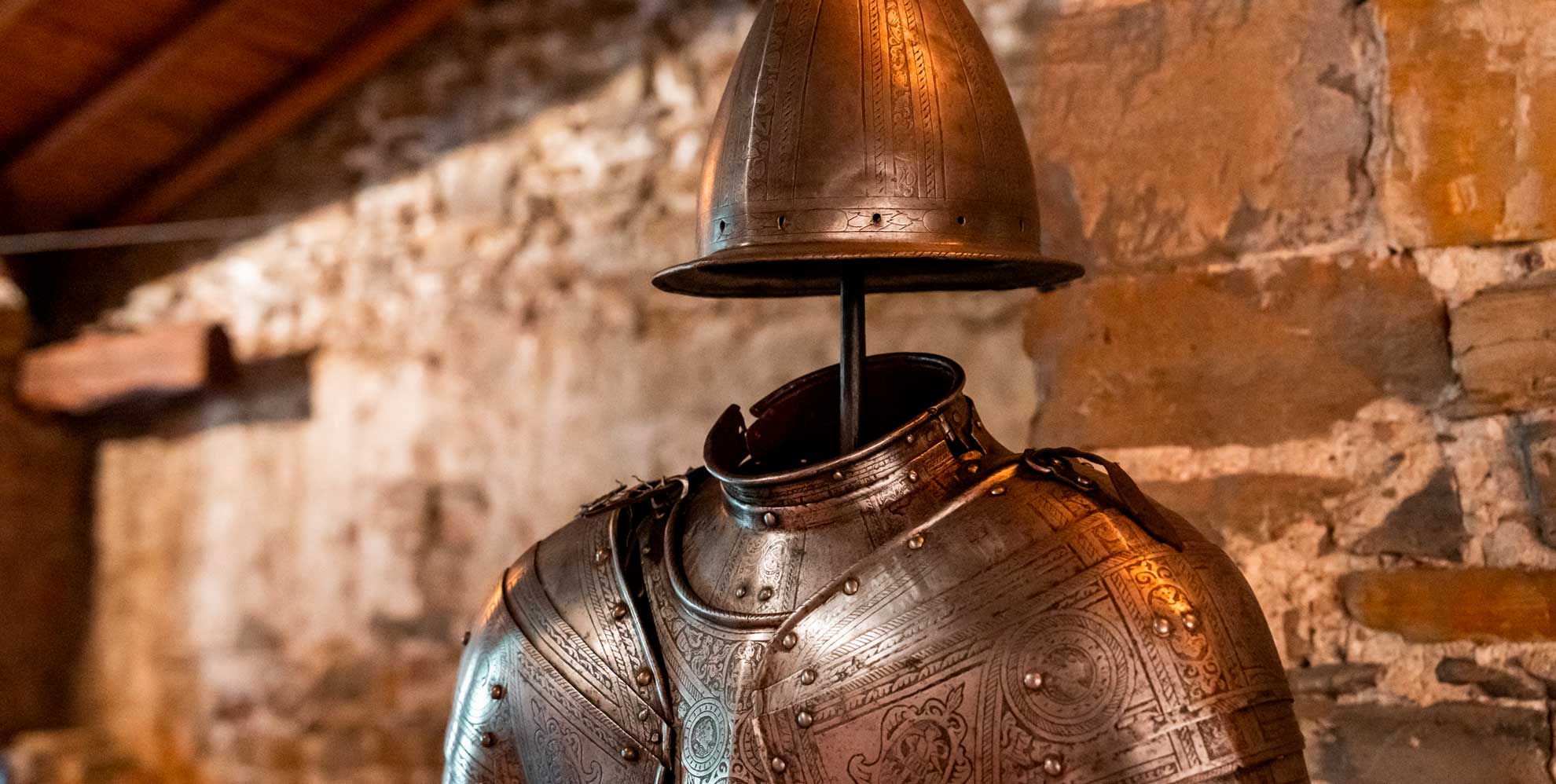
Corslet Parade Armour
Made in Brescia, where there was a robust supply chain for parade body armour, these corslets stood out for their etched decorations of smooth bands alternating with bands with groups of weapons and musical instruments. Cameos with facing male and female heads often appeared on the chest. These models were purchased for the bodyguards of the ruling families, or for palace guards. Between the 16th and 17th centuries, they were traded in Holland and Japan, where they were popular among samurai.
Mura di Bergamo: the Museum
Opened in September 2024 in one of the most iconic monuments in the Venetian fortification network, the new museum in Saint Augustine’s Gate is an additional milestone in the effort to highlight the importance of the Walls of Bergamo, a World Heritage site since 2017.
The Walls of Bergamo is a first among the many different cultural sites of the Museo delle Storie. The museum has a double “soul”: on the one hand, it has a more traditional side with a collection of paintings, fresco fragments, weapons and armor, treatises, maps, drawings and manuscripts which recount the golden age of the Serenissima Republic of Venice; on the other, a more modern and hi-tech side, with three multimedia stations for in-depth learning and a large immersive room dedicated to the history of the Walls, the true ‘heart’ of the museum.
Thanks to a dense collaborative network with important conservation institutions and private collectors, the museum displays 38 pieces which recount what it took to design and realize the Venetian Walls of Bergamo, a construction project that lasted 27 long years and involved the entire hilltop city.

Discover the museum
Four sections and a gripping audiovisual tale place the Venetian Walls of Bergamo in their historical context: the landmark events of the 16th century. A snapshot of geopolitical, cultural, military and material history from the Renaissance.
01
A land defence system
Bergamo was the westernmost garrison of the Mainland within the “territorial machine” of the Republic of Venice
Read More
A land defence system
In the first section, beautiful 16th-century maps demonstrate the extension of the Venetian territories in the Stato da Terra which, along with the possessions of the Stato da Mar, formed the dominions of the Republic. Cartography proved to be an essential tool to control and rule subject territories. It was within these territories that, in response to its terrible defeat at Agnadello in 1509, Venice began to build an organic defense network in which every fortress was called upon to defend the other fortresses closest to it, like parts of a large body with Venice as the “heart and soul.”
02
A hilltop fortress
A mountain fortress and an “alla moderna” fortress: Bergamo is an expression of the fortification practices of the Italian Renaissance
Read More
A hilltop fortress
Paintings, drawings and treatises illustrate the main people and projects which led to the decision in 1561 to fortify the entire hilltop portion of Bergamo, “in its small form,” overcoming a series of problems caused by the irregular orography of the Bergamo landscape. Between the 15th and 16th centuries, Renaissance Italy abandoned the defensive techniques used in the Middle Ages and invented alla moderna fortresses. The thin, tall walls of medieval fortifications were replaced by the sharp edges and corners of the new embanked bastions which could withstand the blows of artillery.
03
Defence and offence
The walls as a lived space: a journey into the military organization of the city-fortress
Read More
Defence and offence
In the third section, shimmering swords and armor, pole weapons, firearms and even a precious manuscript evoke the military revolution of the modern age and attest to the way in which the new defensive works and the composition of armies were reformulated in response to the ever-increasing use of artilleries and firearms on the battlefields. Venice was no different. To that end, it significantly reduced its mercenary troops while it enlisted peasant-foot soldiers in its cernide: it is the first example of a “state army,” pioneering for its time.
04
Building the city walls
“Man, the land, the wall make the fortification”
Read More
Building the city walls
The final section leads visitors into the construction site of the walls: through educational and scenic devices, such as a winch for hoisting heavy objects and a cart for moving stones, the great work yard which engaged the entire hill city for 27 long years (1561-1588) is brought back to life. Costs, materials, and labor are the aspects explored by the last part of the exhibition. Without human capital, this large undertaking wouldn’t have been possible: in addition to the faces of great architects, engineers and surveyors, visitors also learn some of the names of those who tangibly contributed to the Walls’ history, without being able to write it themselves.
05
Bergamo in sul monte
The massive undertaking that was the construction of the city walls becomes thrilling, immersive audiovisual content
Read More
Bergamo in sul monte
At the center of the museum is an audiovisual installation which transports visitors to 16th-century Europe. The Italian Wars (1494-1559) set the stage, the backdrop to a compelling and absorbing narrative in which Venice is the protagonist. The history of the city-fortress of Bergamo comes alive through the voices of its key figures and takes the shape of a first-person experience thanks to this immersive display. A century of history and 27 years of construction create a gripping 17-minute tale. More than150 images and documents from over 30 archives are the plot of an animation in which content is the protagonist and new technologies are the means.
Tutte le notizie su Bergamo 900
Scopri le novità che ti attendono in museo
Scuole: Speciali 2026/2027
Nell’anno scolastico 2026-27 ricorrono due importanti anniversari che
il Comune di Bergamo celebra…
Read more
Raccontare la Grande Storia
Quattro appuntamenti per riscoprire, comprendere e interpretare luoghi, protagonisti, idee della Gra…
Read more

Allerta meteo Rocca 09.09.26
La Rocca e il Museo dell’800 chiusi per allerta meteo
Read more

Chiusura temporanea del Museo dell’800
Il Museo dell’800 in rocca chiuso per interventi di manutenzione
Read more
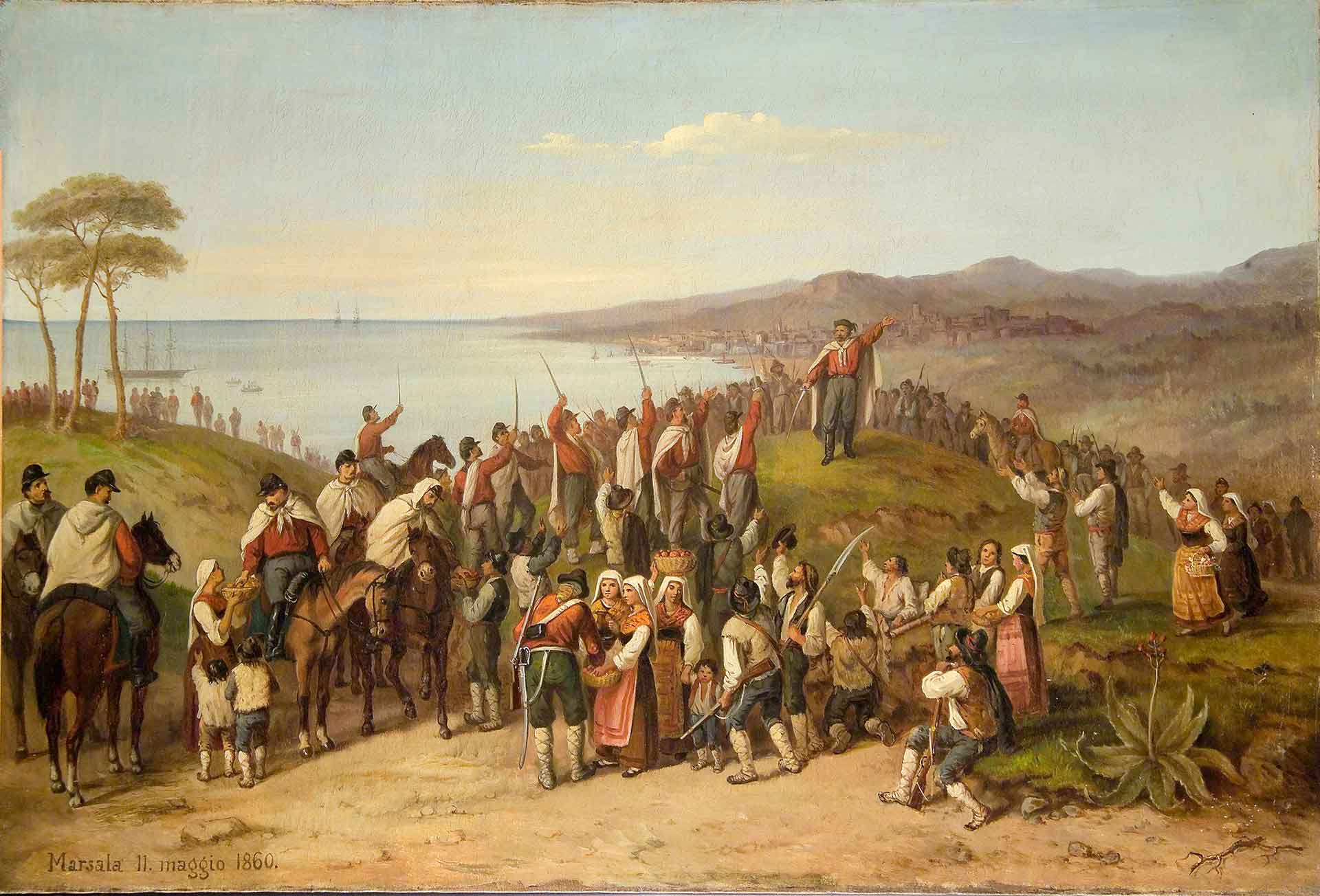
Settembre con l’ISRI
L’Istituto per la storia del Risorgimento italiano – Comitato di Bergamo organizza tre appuntamenti …
Read more
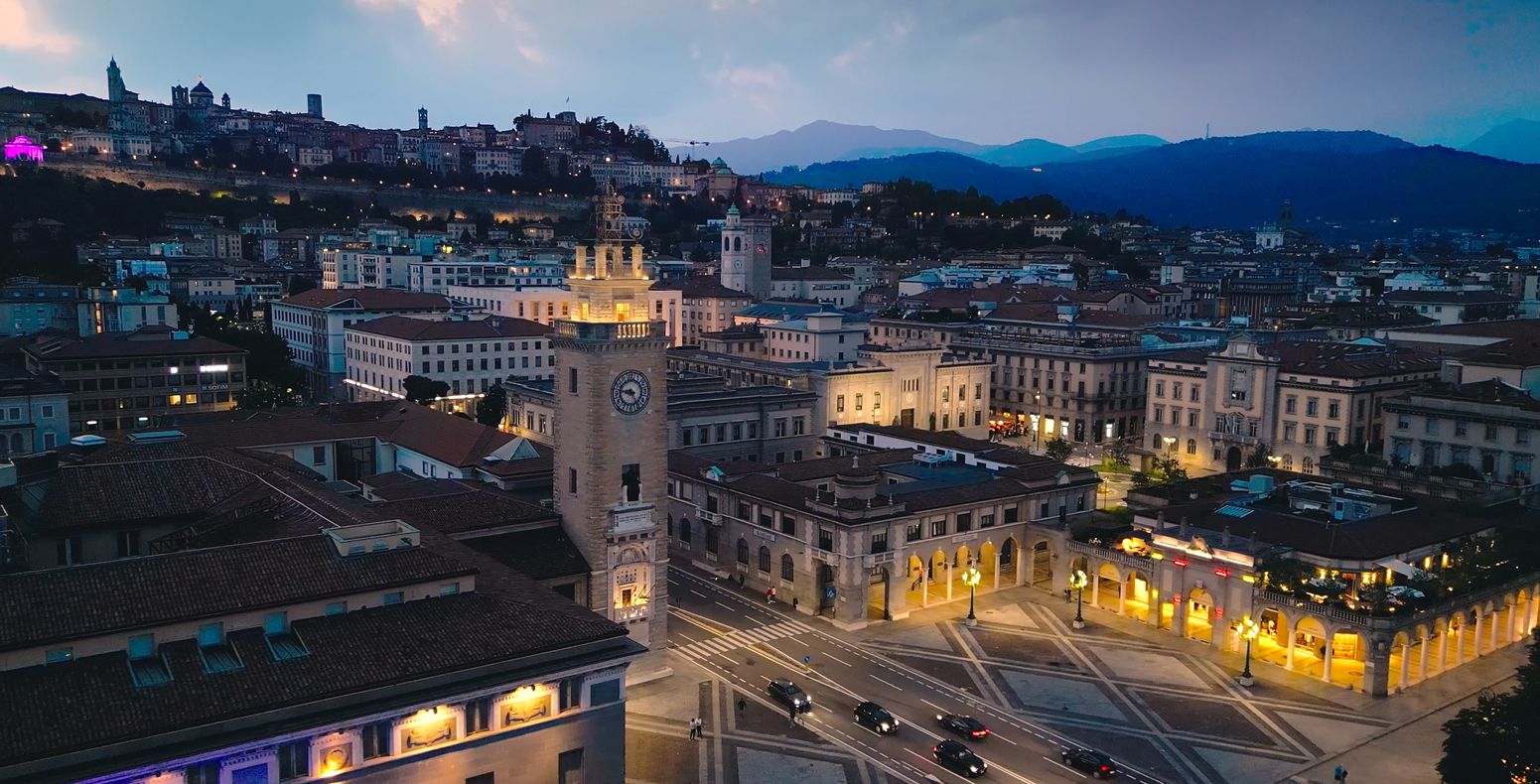
Aperture speciali agosto
I luoghi della rete del Museo delle storie saranno aperti anche durante le festività di aprile 2026…
Read more
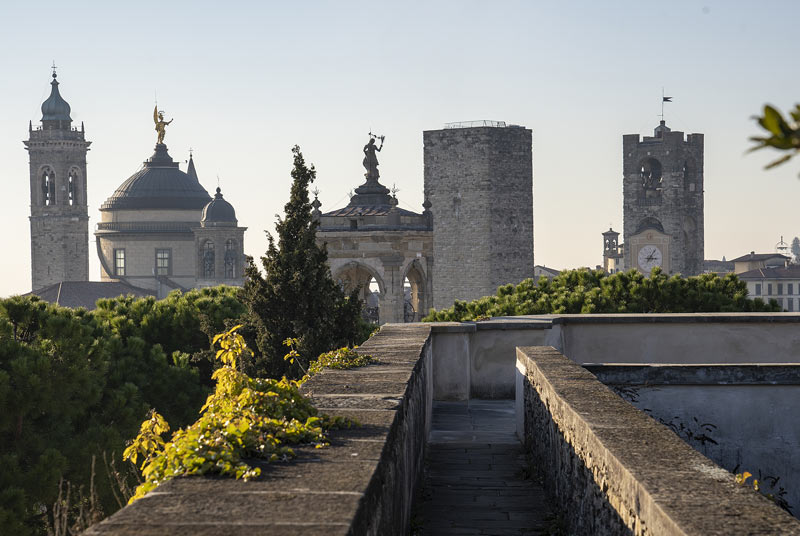
Aperture speciali giugno
I luoghi della rete del Museo delle storie saranno aperti anche durante le festività di aprile 2026…
Read more
Un anno al Museo delle storie
Orari e giorni di apertura dei Musei della rete durante le festività natalizie.
Read more
Storia delle donne 1945-2026.
Il 25 ottobre 2024 inizia il 18° corso di storia del ‘900 che approfondisce la storia delle donne…
Read more